


Self-Loading Cutting Wagon – What Is It Used For and When Is It Worth Choosing?
Fresh forage has long been one of the most valuable components of the diet for dairy cattle, beef cattle, sheep and goats. To provide animals with fresh feed every day, farmers need a machine that can quickly cut the grass, collect it and transport it back to the farm.
This is exactly what a self-loading cutting wagon is designed for. It combines cutting, collecting and transporting fresh forage in a single pass, making daily feeding operations simpler, faster and more economical.
What Is a Self-Loading Cutting Wagon?
A self-loading cutting wagon is a machine designed to cut, collect and transport fresh grass and other forage crops. Unlike a traditional combination of a mower and a trailer, all of these operations are carried out in a single pass.
The freshly cut forage is loaded directly into the wagon body, transported to the farm and then unloaded onto the feed bunk or in another designated feeding area.
This reduces the number of field passes, lowers fuel consumption and saves valuable working time.
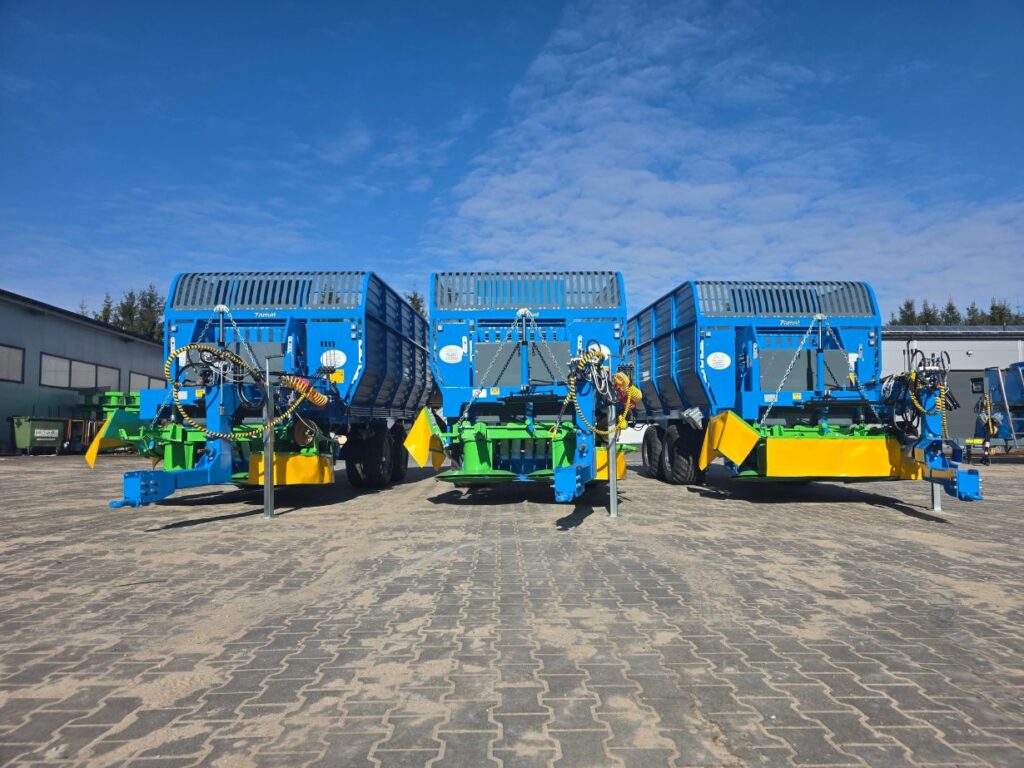
How Does a Self-Loading Cutting Wagon Work?
The operating principle is very simple.
- The cutting bar cuts the forage.
- The conveyor system transfers the material into the loading body.
- The forage is transported back to the farm.
- Once the destination is reached, the wagon unloads the forage quickly and efficiently.
The entire process is carried out using a single machine operated by a tractor.
Which Farms Benefit Most from a Self-Loading Cutting Wagon?
Self-loading cutting wagons are particularly well suited to farms where livestock are fed fresh forage on a regular basis.
They are commonly used by:
- dairy farms,
- beef cattle farms,
- sheep and goat farms,
- organic farms,
- farms that feed freshly harvested forage every day.
These machines are suitable for both small family farms and large commercial livestock operations.
The Main Advantages of a Self-Loading Cutting Wagon
Fresh Forage Every Day
The greatest advantage is the ability to provide livestock with freshly harvested forage every day, helping to make better use of the nutritional value of the crop.
Cutting and Collecting in a Single Pass
One machine performs work that would otherwise require several separate machines, simplifying daily operations and reducing the time needed to prepare feed.
Time Savings
Fewer field passes mean faster harvesting and less time spent working in the field.
Lower Operating Costs
Reducing the number of machines required for harvesting results in lower fuel consumption, reduced maintenance costs and lower overall operating expenses.
Easy Operation
Modern self-loading cutting wagons are designed to be intuitive and easy to operate, even for less experienced users.
High Productivity
A large loading capacity reduces the number of trips between the field and the farm, improving overall efficiency.
Does a Self-Loading Cutting Wagon Replace a Forage Harvester?
No.
Although both machines are used for harvesting forage, they serve different purposes.
A forage harvester is primarily intended for harvesting crops for silage or further processing.
A self-loading cutting wagon, on the other hand, is mainly designed for harvesting fresh grass and transporting it directly to the farm for daily feeding.
On many farms, both machines complement each other perfectly.
When Is It Worth Buying a Self-Loading Cutting Wagon?
A self-loading cutting wagon is worth considering if:
- you feed fresh forage every day,
- you want to reduce the number of machines used in the field,
- you want to shorten forage harvesting time,
- you have a tractor with moderate power,
- you are looking for a simple and cost-effective solution for everyday use.
What Should You Consider Before Buying a Self-Loading Cutting Wagon?
Before making your decision, it is worth comparing several important features.
Loading Capacity
The wagon capacity should match the size of your herd and the amount of forage required each day.
Power Requirement
Make sure your tractor provides sufficient power for comfortable and efficient operation.
Working Width
The working width influences harvesting productivity and the number of passes required to collect the forage.
Machine Construction
A robust frame, durable working components and high-quality materials all contribute to a long service life.
Spare Parts Availability
Fast access to spare parts and reliable service support are especially important during the busy harvesting season.
Frequently Asked Questions
Is a Self-Loading Cutting Wagon Suitable for Daily Use?
Yes. It is specifically designed for regular harvesting and daily feeding of fresh forage.
How Much Tractor Power Is Required?
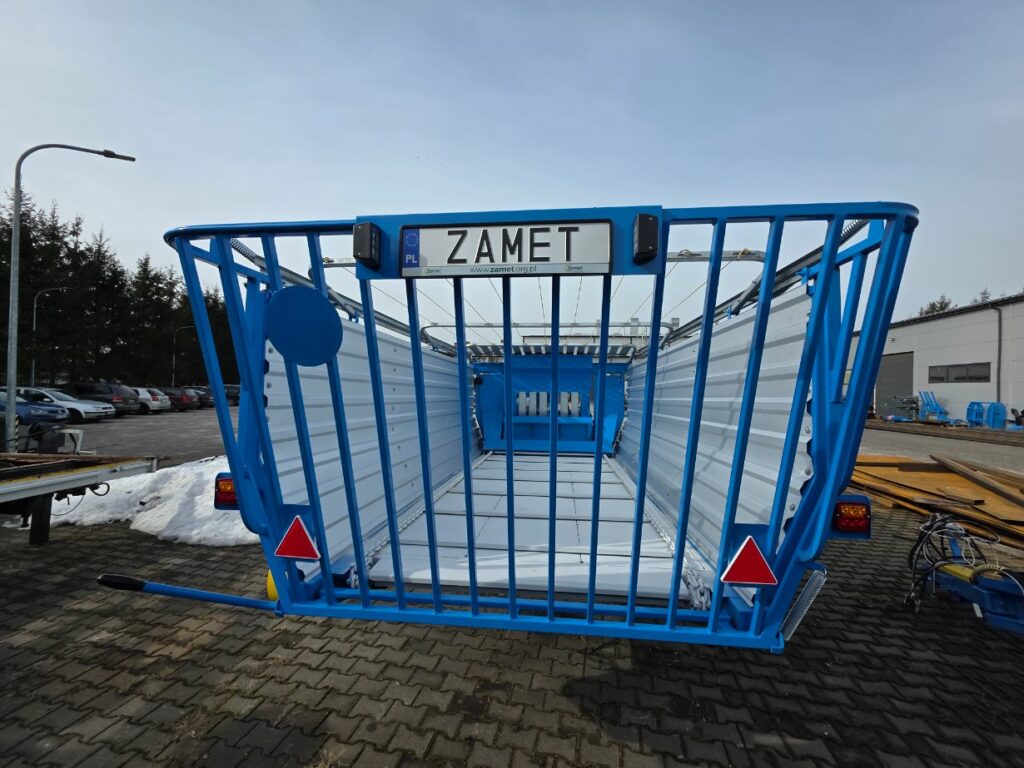
The required tractor power depends on the machine model. The ZAMET T635 Self-Loading Cutting Wagon, with a geometric capacity of 14.5 m³, can be operated with a tractor starting from approximately 30 kW.
Can It Be Used to Harvest Alfalfa?
Yes. Most self-loading cutting wagons can harvest both grass and many other forage crops, including alfalfa.
Is a Self-Loading Cutting Wagon Suitable for Dairy Farms?
Yes. Dairy farms are among the most common users of this type of machine.
How Often Should the Knives Be Sharpened?
This depends on the intensity of use and the working conditions. Regular inspection and sharpening help maintain high cutting quality.
A self-loading cutting wagon is a practical solution for farms that want to harvest and deliver fresh forage quickly and efficiently. It combines cutting, collecting and transporting forage into a single operation, reducing field passes, fuel consumption and working time.
The ZAMET range includes self-loading cutting wagons with capacities from 14.5 to 24 m³, suitable for both small family farms and large dairy or beef operations. Every machine can be individually configured to meet the specific needs of each customer, while a wide selection of optional equipment allows it to be perfectly adapted to different working conditions.